


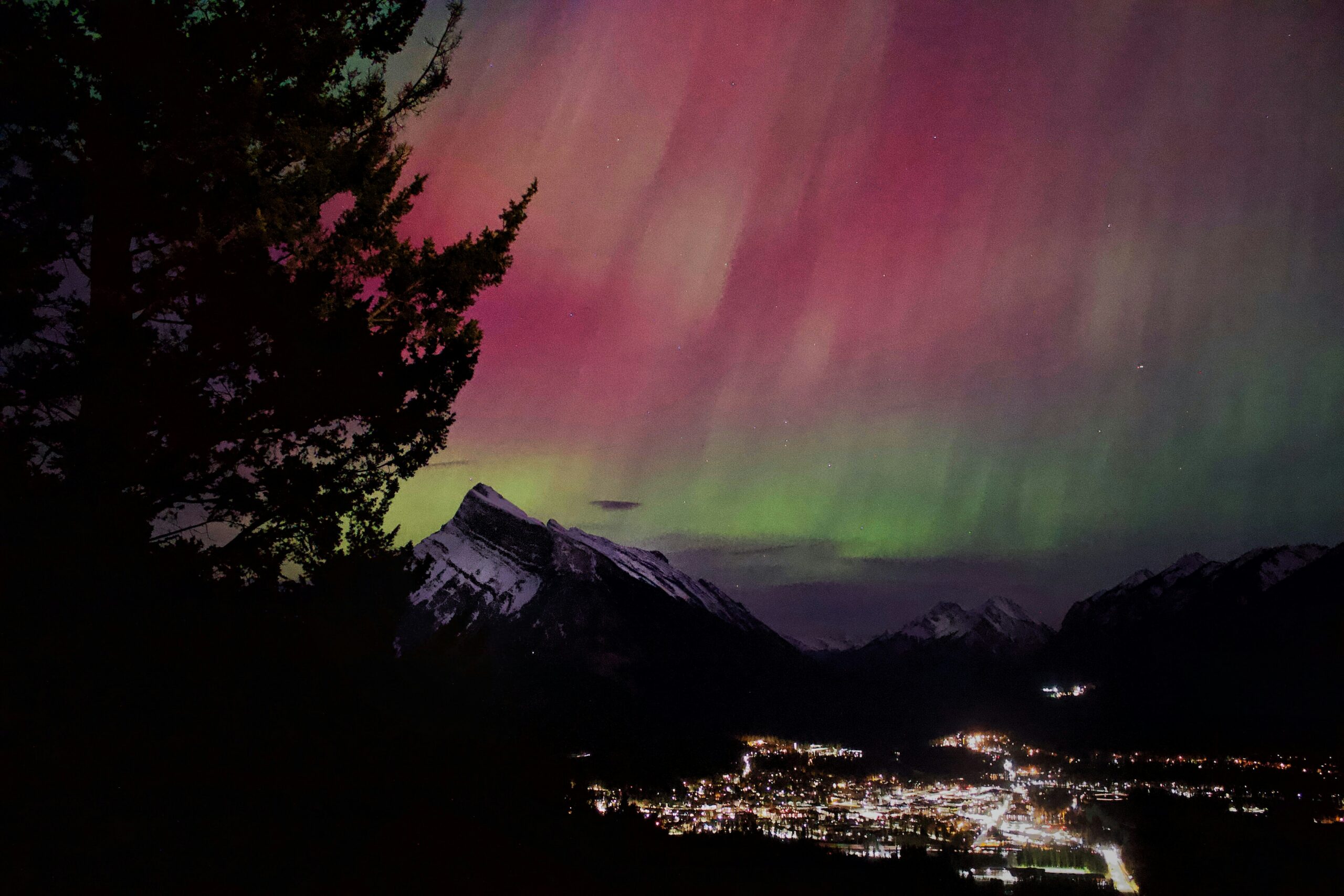
Banff isn’t always the first place most people think of for northern lights… that reputation usually goes to destinations further north, like Norway, Yellowknife or Iceland. But Banff National Park sits far enough from major city light pollution, and at high enough latitude, that the aurora borealis is a genuine possibility on the right night. It’s not guaranteed, and it takes some planning, but for visitors willing to stay up late and watch the sky, it’s one of the more unexpected experiences Banff has to offer.
Here’s everything you need to know about the aurora borealis in Banff and surrounding areas, and how to increase your odds of seeing them.
When Is Aurora Season in Banff?
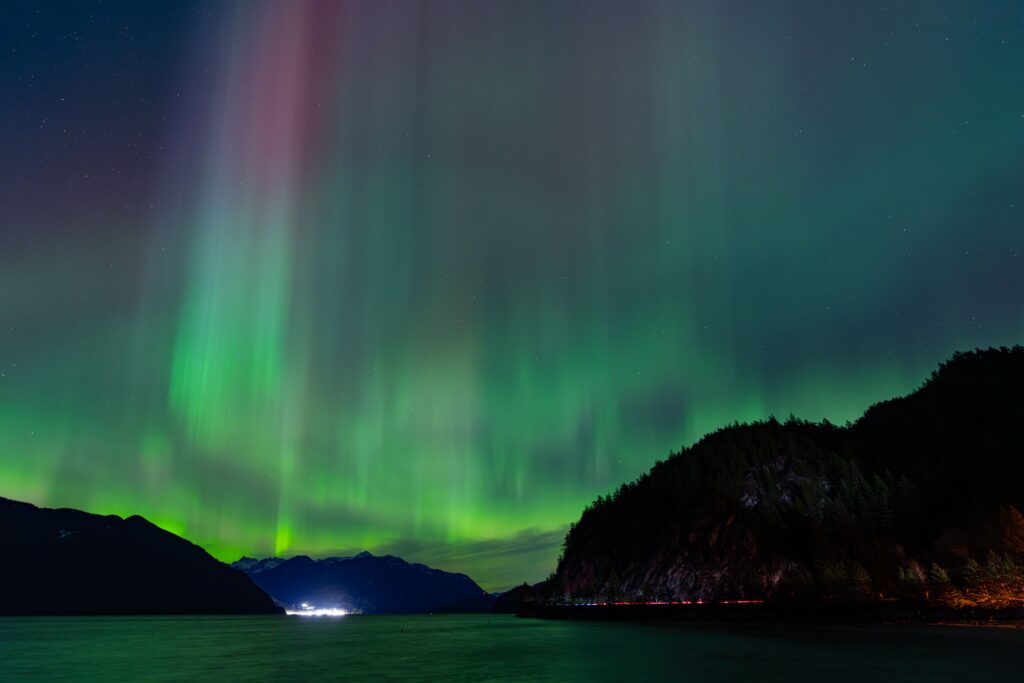
Technically, the aurora can appear any time of year, but it’s only visible when the sky is dark enough, which rules out the short nights of summer. The best viewing window runs roughly from September through April, when nights are long and skies get properly dark. Within that window, clear nights away from any light pollution (including the moon!) give you the best shot.
Solar activity also plays a major role. The sun runs on an 11-year activity cycle, and aurora sightings become more frequent and more vivid during periods of higher solar activity. It’s worth checking where we currently sit in that cycle, since visibility genuinely varies year to year.
How to Check If Conditions Are Good
A clear or dark night alone isn’t enough to see the auroras – you need actual geomagnetic activity for the aurora to appear. While it’s exciting to wait up late to keep an eye out, a few tools make this much easier than just hoping:
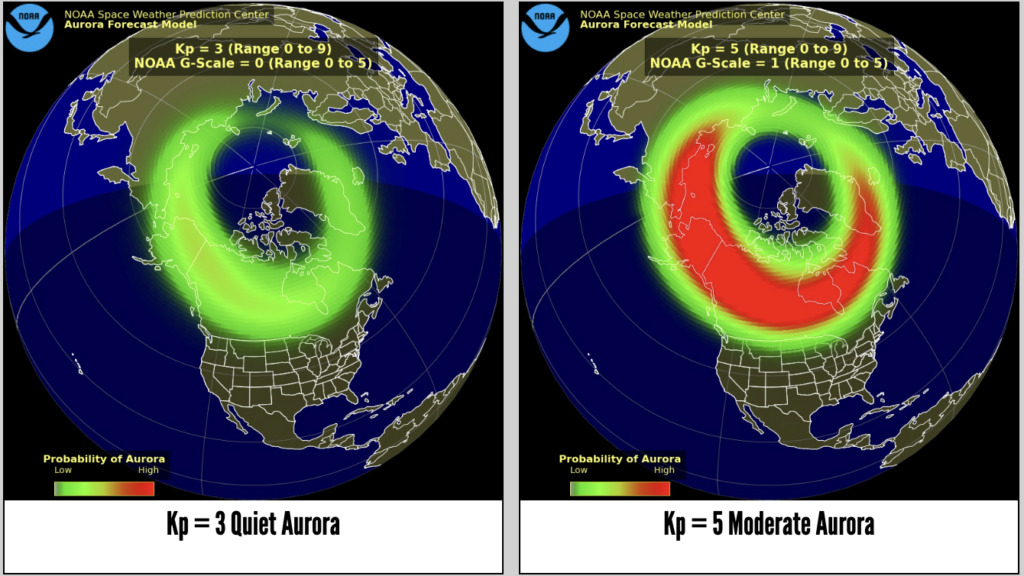
- Aurora forecast apps and websites (like the NOAA Space Weather Prediction Center or apps such as Aurora Forecast) track the KP index, a measure of geomagnetic activity. Generally, the higher the number, the better your odds, and the further south the aurora may be visible
- Clear-sky or cloud coverage charts for the Banff area, to check how cloudy skies are before heading out
- Moon phase: a new moon or crescent moon gives you much darker skies than a full moon, which is often too bright and can wash out auroras
- Facebook groups or communities are a great tool to learn from locals – many folks post live images of their aurora!
Check these together – often the forecasts can predict potential aurora activity up to 48 hours in advance!
Best Places to Watch
While there are a few great spots to catch the auroras, the key is to get away from any light pollution. This being said, Banff and the surrounding areas have a few great options that are easy to get to, including:
- Lake Minnewanka, has wide open views to the north and is often very dark. Keep in mind that on nights when aurora is out, parking can be difficult to find!
- Two Jack Lake, next to Lake Minnewanka, also has stunning views and easy access.
- Vermilion Lakes, just outside Banff townsite. It is close, easy to reach even late at night, and has a beautiful open sky with water reflection.
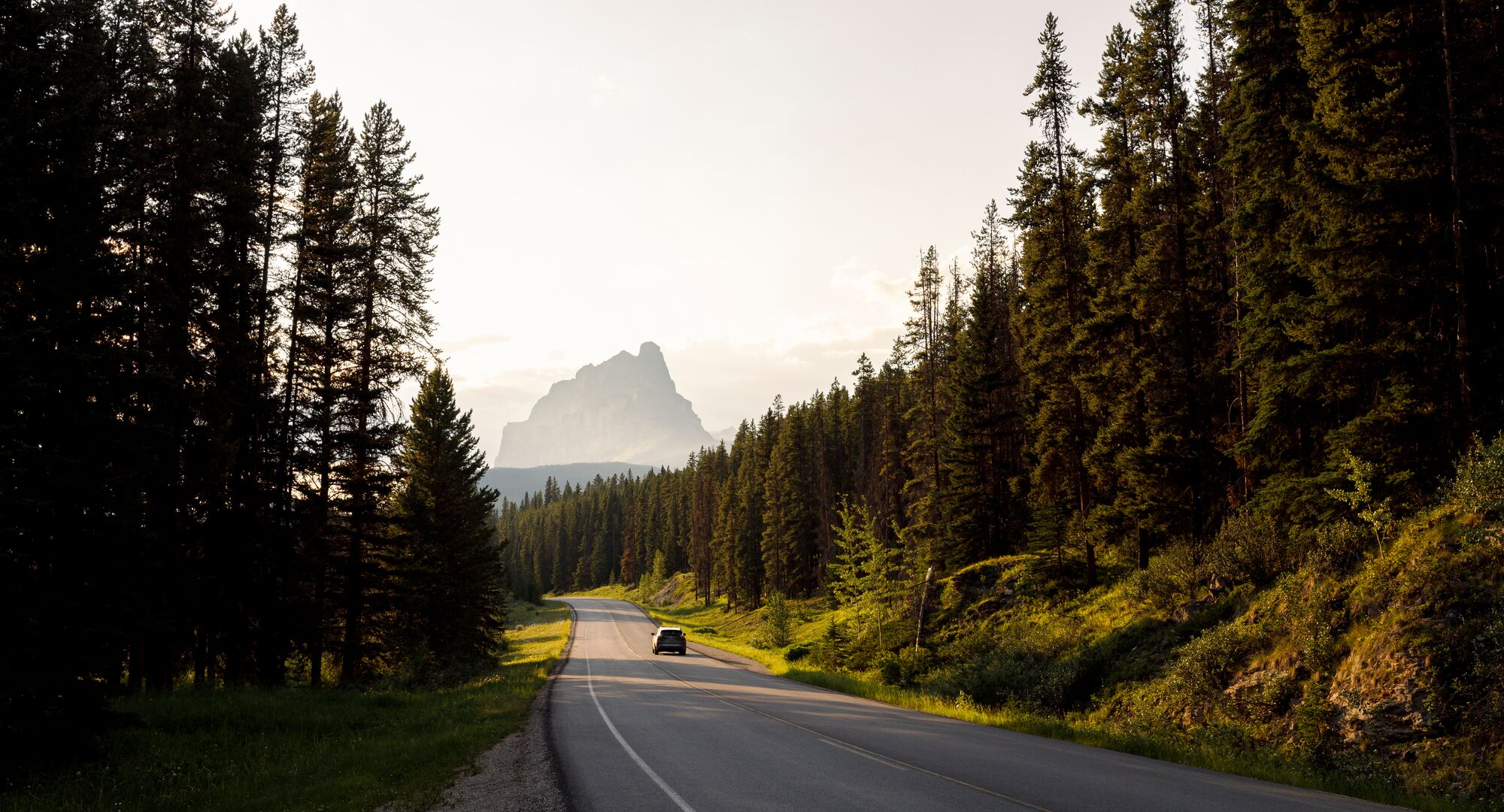
- Anywhere along the Bow Valley Parkway, away from Banff townsite’s light glow, including near Johnston Canyon!
A north-facing view with minimal tree cover and no direct light sources nearby gives you the best chance of spotting activity as it develops.
Tips for a Successful Aurora Night
Be patient. Auroras often start faint and can look like a grey haze in the sky. What doesn’t look like much can show up vividly green or pink in a long-exposure photo, so don’t give up after five minutes. The sky can go from dark to lit up in a matter of minutes!
Dress like you’re going to be standing still in winter for a while, because you will be. Bring more layers than you think!
Bring a tripod if you’re shooting photos. Aurora photography usually needs a longer exposure than handheld shots allow.
Check conditions after 10pm, and be ready for the possibility of staying out past midnight. Aurora activity often peaks late at night or into the early morning hours.
Why It’s Worth Trying
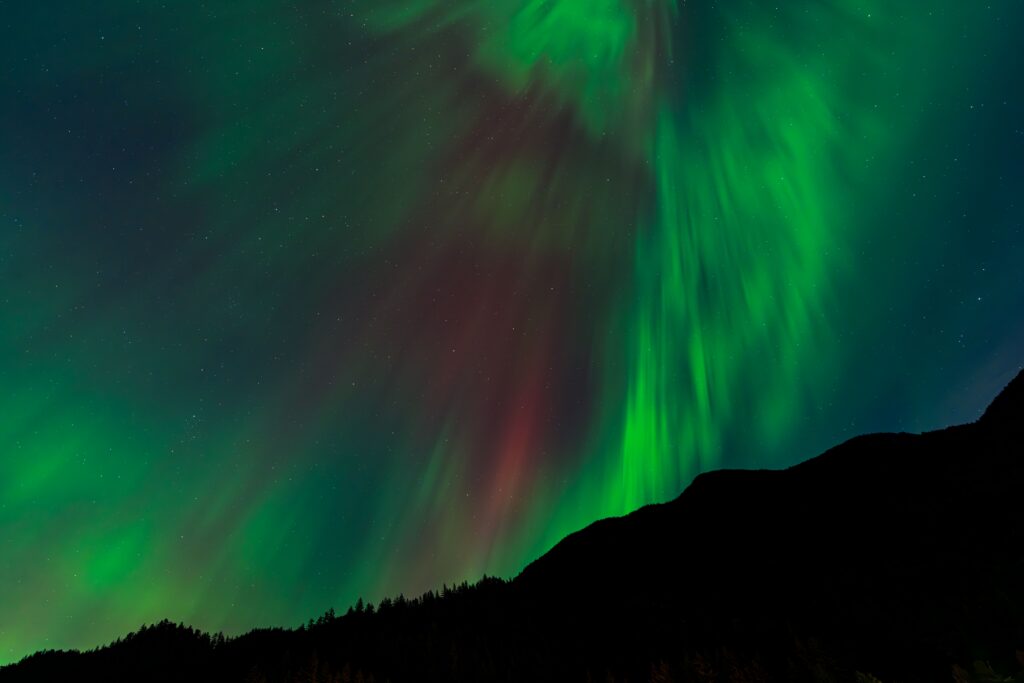
Seeing the northern lights in Banff isn’t something you can plan with certainty the way you can plan a hike or a drive, and it takes the right conditions lining up on the right night. But that unpredictability is part of what makes it memorable when it happens: a quiet, cold night, watching colours dance across the night sky.
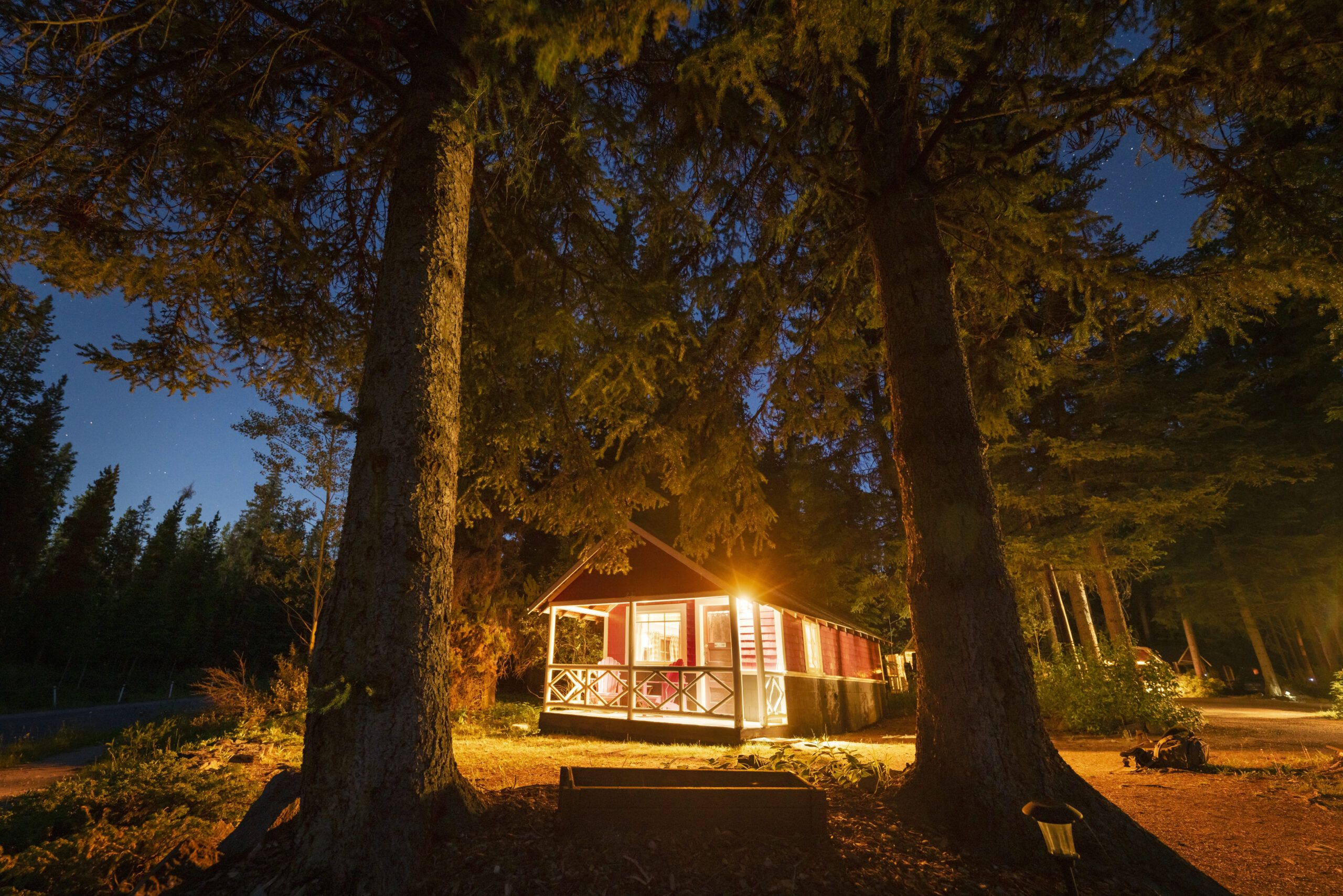
If you’re staying in Banff or along the Bow Valley Parkway near Johnston Canyon, away from townsite light pollution, you’re already in a better position than most visitors to catch it. Just keep an eye on the forecast, and be ready to step outside when conditions align. Like the experts say: pants on!