



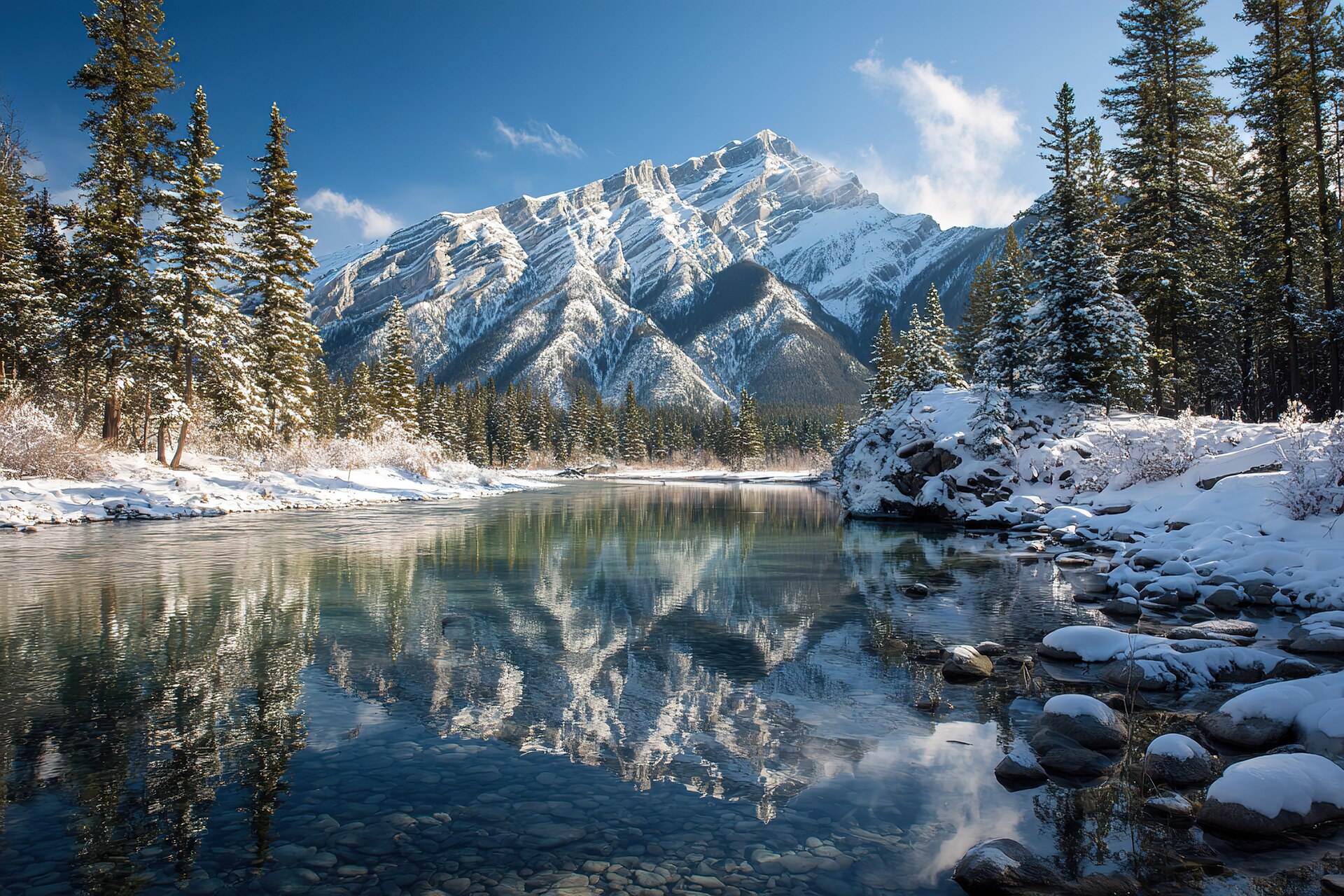
Winter transforms Banff National Park into a quiet, snow covered landscape. While many visitors assume wildlife disappears during the colder months, winter is actually one of the most fascinating times to observe how animals adapt to life in the Canadian Rockies.
From deep hibernation to remarkable cold tolerance and seasonal migration, the wildlife in Banff has developed unique strategies to survive harsh alpine winters. Exploring the park in winter offers an opportunity to understand these adaptations while respecting the delicate balance of the natural environment. Additionally, seeing winter wildlife in Banff is an awesome memory to take home!
How Animals Survive Winter in Banff
As temperatures drop and food becomes scarce, animals rely on one of three primary survival strategies:
- Hibernation
- Tolerance
- Migration
Each approach reflects the animal’s biology, habitat and access to food. Understanding these strategies helps visitors appreciate the resilience of wildlife and the importance of conservation.
Hibernators
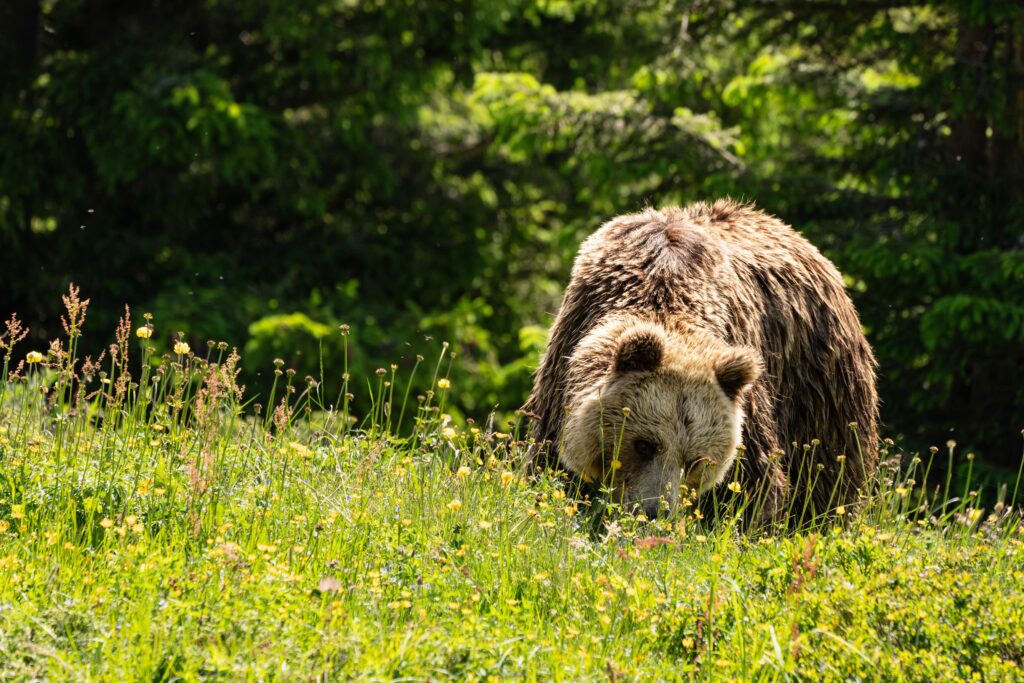
Resting Through the Cold: Hibernation allows animals to conserve energy during the most challenging months of the year. By slowing their heart rate, breathing and metabolism, hibernators reduce the need for food when resources are limited.
Fun Fact: Many people believe that hibernation means that animals are asleep. Hibernating and sleep are two very different states of the body!
Common Hibernators in Banff National Park:
Bears
Grizzly bears and black bears enter a state of deep hibernation during winter. They rely on fat reserves built up during the fall to survive until spring. Although they may occasionally wake, they remain in dens until warmer temperatures return. Come springtime, it takes significant energy and time for bears to come out of hibernation!
Ground Squirrels and Marmots
These small mammals are true hibernators. Marmots can remain underground for up to eight months, surviving on stored body fat and lowering their body temperature to close to zero degrees to conserve energy. Instead of storing food in their burrows, ground squirrels and marmots feed consistently through the summer to build up enough fat to last their hibernation.
Tolerators
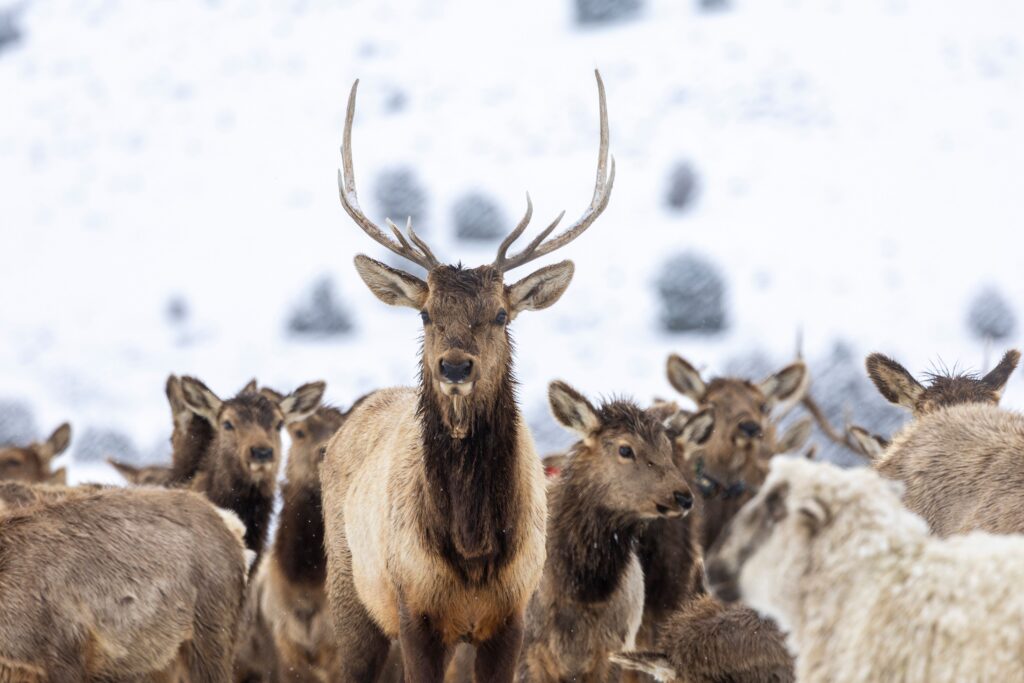
Thriving in Cold Conditions: some animals remain active throughout winter by adapting physically and behaviourally to cold temperatures. These are the animals you are most likely to spot throughout the winter!
Tolerators You May See:
Elk and Deer
Elk and white tailed deer stay in lower elevation areas where snow is less deep and food is more accessible. They grow thick winter coats with air pockets to keep them warm, and efficient digestion help them survive harsh conditions. They remain in herds through the winter to avoid other predators, like wolves.
Wolves and Coyotes
Predators like wolves remain active all winter. Their large paws act like snowshoes, allowing them to travel efficiently through snow while hunting. They are double coated, with their exterior fur acting as a weatherproof shield, and their undercoat providing warmth.
Snowshoe Hares
Named for their oversized feet, snowshoe hares are well adapted to snowy terrain. Their fur turns white in winter, providing camouflage from predators. This also makes them a little harder to spot! They shift their diet to leaves and twigs, which keeps them well fed throughout the winter.
Migrators
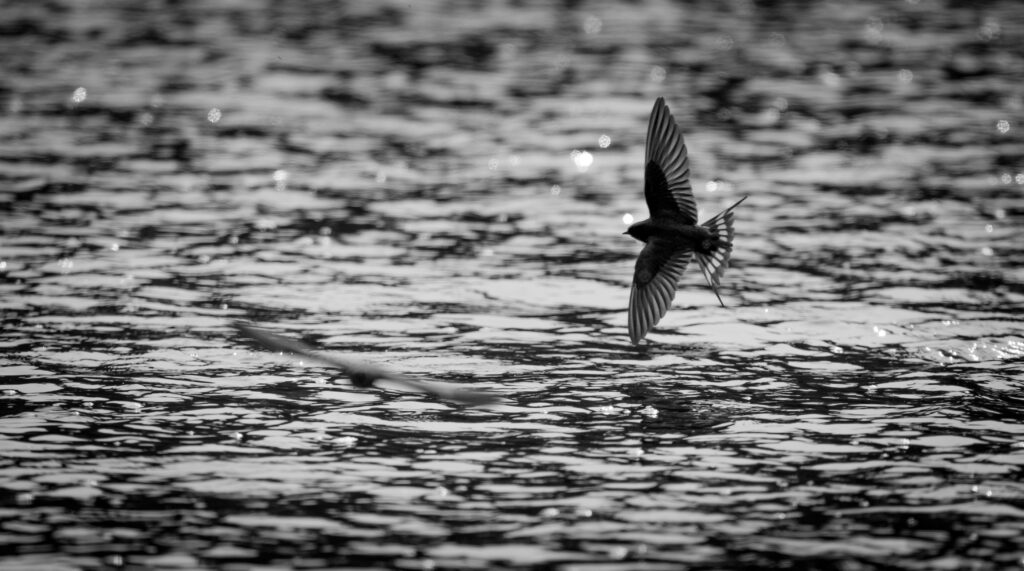
Following Seasonal Food Sources: Some species avoid winter conditions entirely by migrating to warmer climates or lower elevations.
Migratory Species in Banff
Birds
Many bird species leave Banff in winter, travelling south where food remains available. Like the Black Swift, which nests on cool rock faces and in waterfalls (like Johnston Canyon!) to keep cool in the summer, and flies south to catch the warmth in the winter. However, some birds such as gray jays and chickadees stay year round, relying on cached food and insulated feathers.
Migration allows animals to survive seasonal extremes while maintaining access to essential resources.
Wildlife Safety and Responsible Viewing
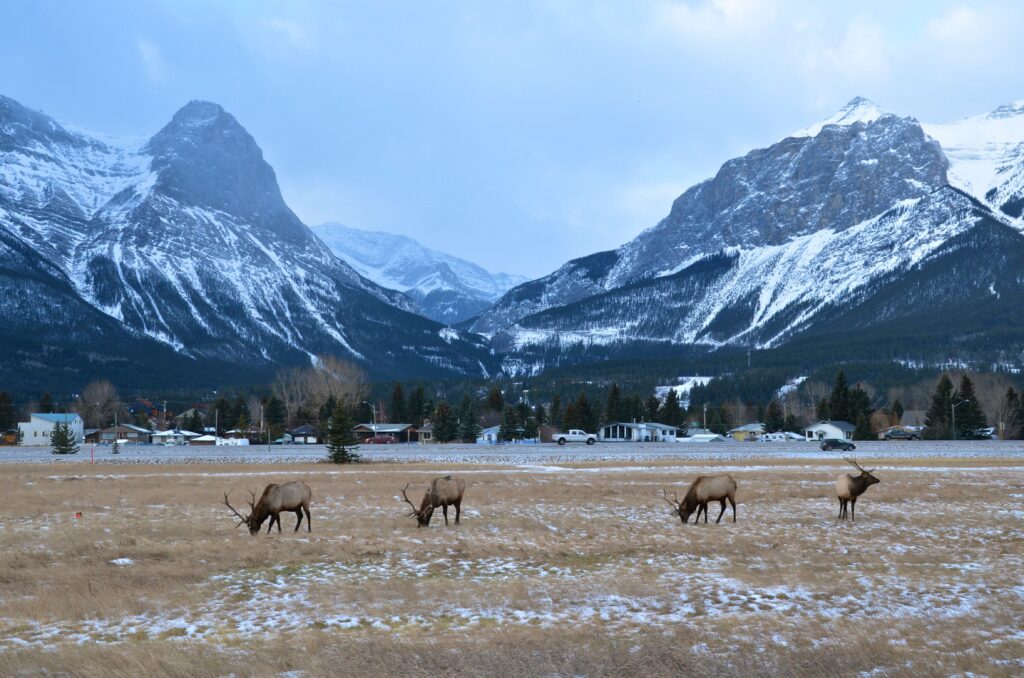
Winter wildlife viewing requires patience and respect. Animals are using valuable energy reserves to survive, and human disturbance can have serious consequences. Just like Banff is home to us, it is also home to many wildlife species.
When exploring Banff, it is always important to:
- Keep a safe distance from all wildlife
- Never feed animals
- Stay on designated trails
- Travel quietly and observe from afar
Respecting wildlife ensures these species can continue to thrive.
Why Johnston Canyon Is a Special Winter Habitat
Johnston Canyon’s unique landscape offers shelter, flowing water and varied terrain that supports wildlife year round. In winter, frozen waterfalls and quiet trails create a peaceful environment where nature’s adaptations are on full display.
While sightings are never guaranteed, understanding animal behaviour enhances the experience, keeps you and the animal safe, and increases chances of spotting an animal safely!
The Importance of Winter Conservation
Winter is a critical time for wildlife survival. Conservation efforts, protected habitats and responsible tourism all play a role in ensuring animals can endure the cold months.
By learning about winter adaptations, visitors become part of a broader effort to protect the park’s natural balance.
Experience Johnston Canyon in Winter
Winter in Banff National Park is not a time of dormancy but a season of survival, resilience and quiet beauty. From hibernating mammals to cold tolerant species and migrating birds, wildlife continues to shape the landscape even in the coldest months.
Visiting Johnston Canyon in winter offers a unique opportunity to connect with nature, learn about wildlife adaptations and experience the park in its most serene state.