


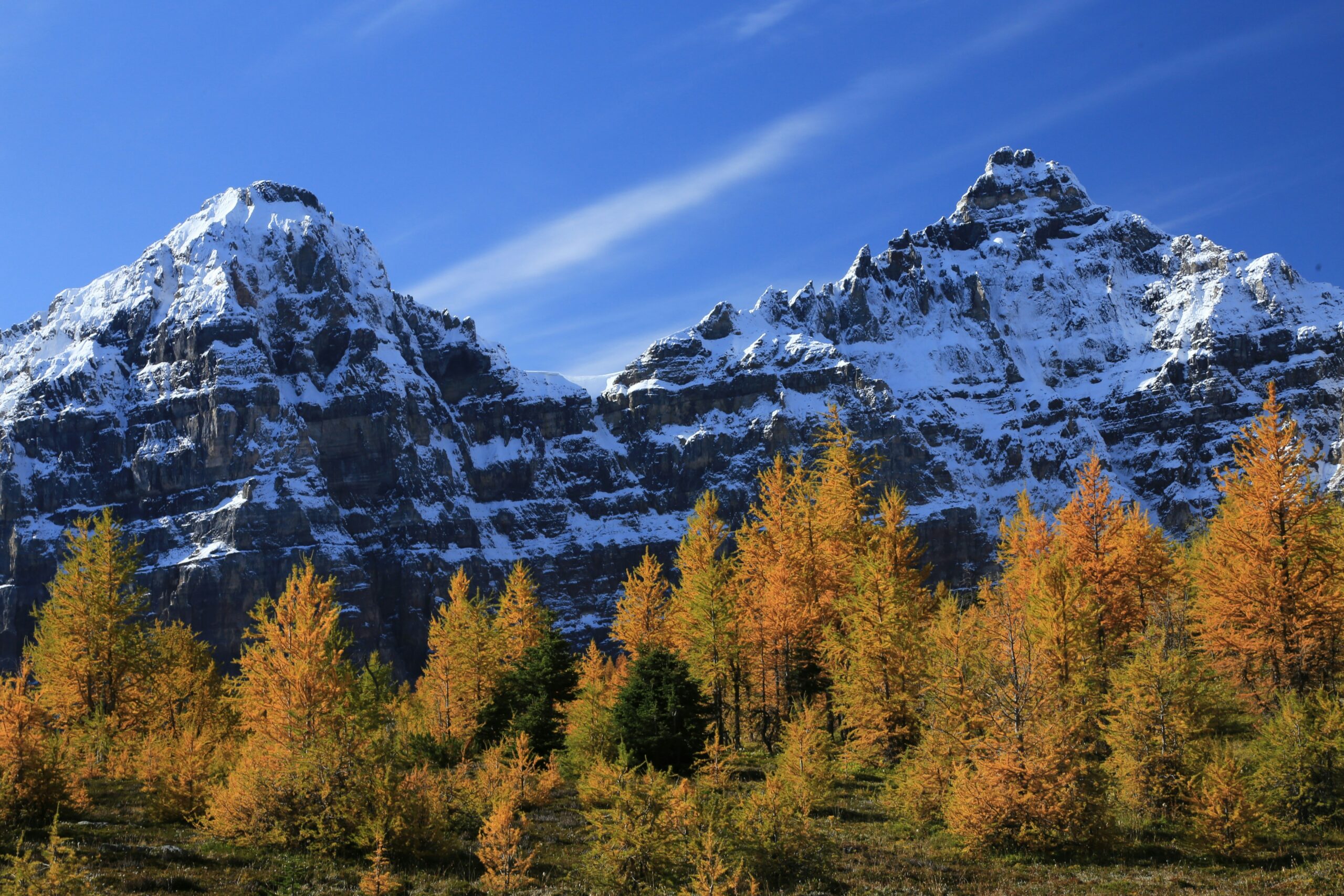
Summer gets the great weather, crowds, and late sunsets. Winter gets the snow-topped mountains, great skiing, and cozy quiet nights. But ask anyone who’s spent real time in Banff, and a lot of them will tell you that the fall season is often underestimated, and offers something unique and equally memorable. The crowds thin out, the light turns gold, the air sharpens, and the park settles into something quieter and more personal. If you’re planning a fall trip to Banff, here’s everything worth knowing to make the most of it.
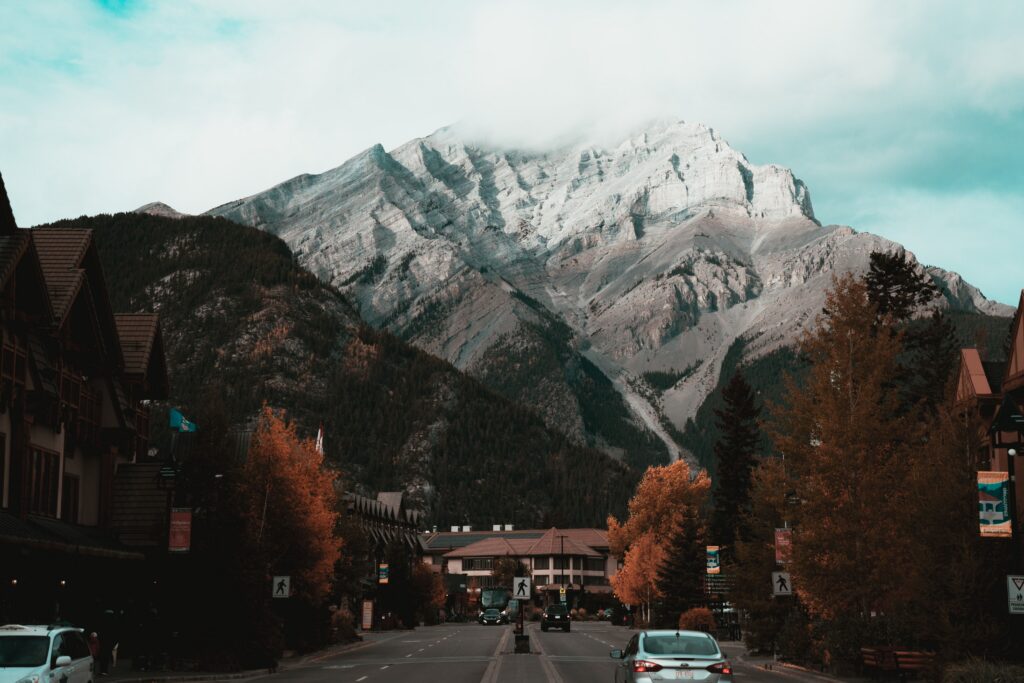
Why Fall Is Different in Banff
Fall in Banff runs roughly from early September through mid-October, though it can shift year to year. The days can still be mild, especially in September, however nights are properly cold as winter looms (think 5-10°C!). Trails that were packed all summer become walkable again. Wildlife move to lower elevations as temperatures cool, and become more visible.
The Rockies are full of a tree called a larch – which is a deciduous coniferous that loses its needles every fall. Larches are especially unique as they only grow in high elevations, meaning they are hard to see in other locations across Canada. For a few short weeks in September and early October, the larch trees turn from a rich green to a bright gold. As they only grow in the high alpine, the stunning colours cover the mountains and valleys, drawing hikers from around the world.
It’s also, practically speaking, a great time to visit if you want a Banff experience without fighting for parking at every trailhead.
Best Hikes for Fall
Johnston Canyon to the Ink Pots: A classic year-round, but especially good in fall: the canyon’s waterfalls are still running strong, the crowds are lighter than summer, and continuing on to the Ink Pots meadow gets you into higher terrain where the colours start to turn.
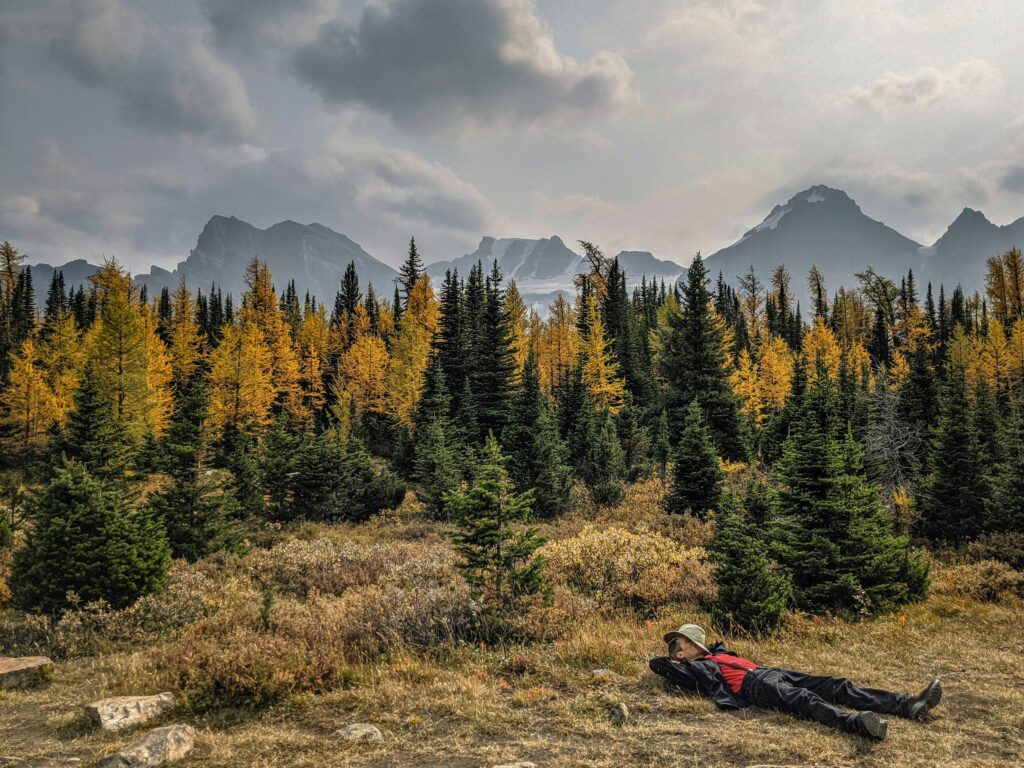
Larch Valley & Sentinel Pass: If your trip lines up with larch season (typically late September), this is one of the hikes that Banff is famous for – golden larch forests against alpine lakes and jagged peaks. This hike starts from Moraine Lake, meaning a shuttle will need to be planned in advance to access the trailhead!
Sulphur Mountain: Hike or take the gondola up for wide views over the whole valley, with fall colour visible across the surrounding slopes.
Lake Louise Lakeshore: An easier, flatter option if you want big scenery without a big climb, and one of the best spots to watch the turning colours reflect off the water.
Where to See Fall Colours (Beyond The Larches!)
Beyond the more popular hikes, Banff’s aspens and cottonwoods put on their own show each fall, turning bright yellow along valley bottoms and riverbanks. Some of the best (and easiest) places to catch it are:
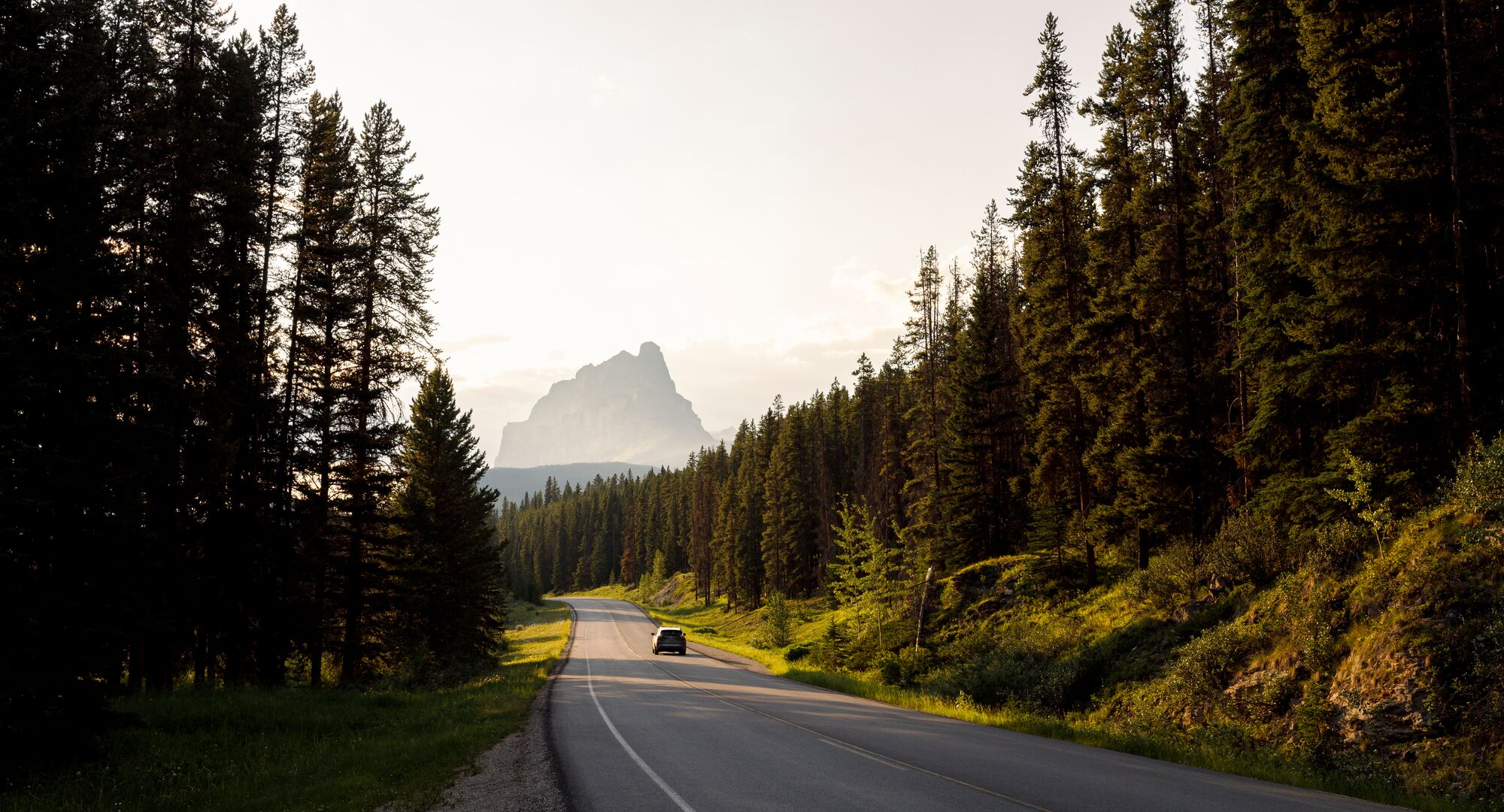
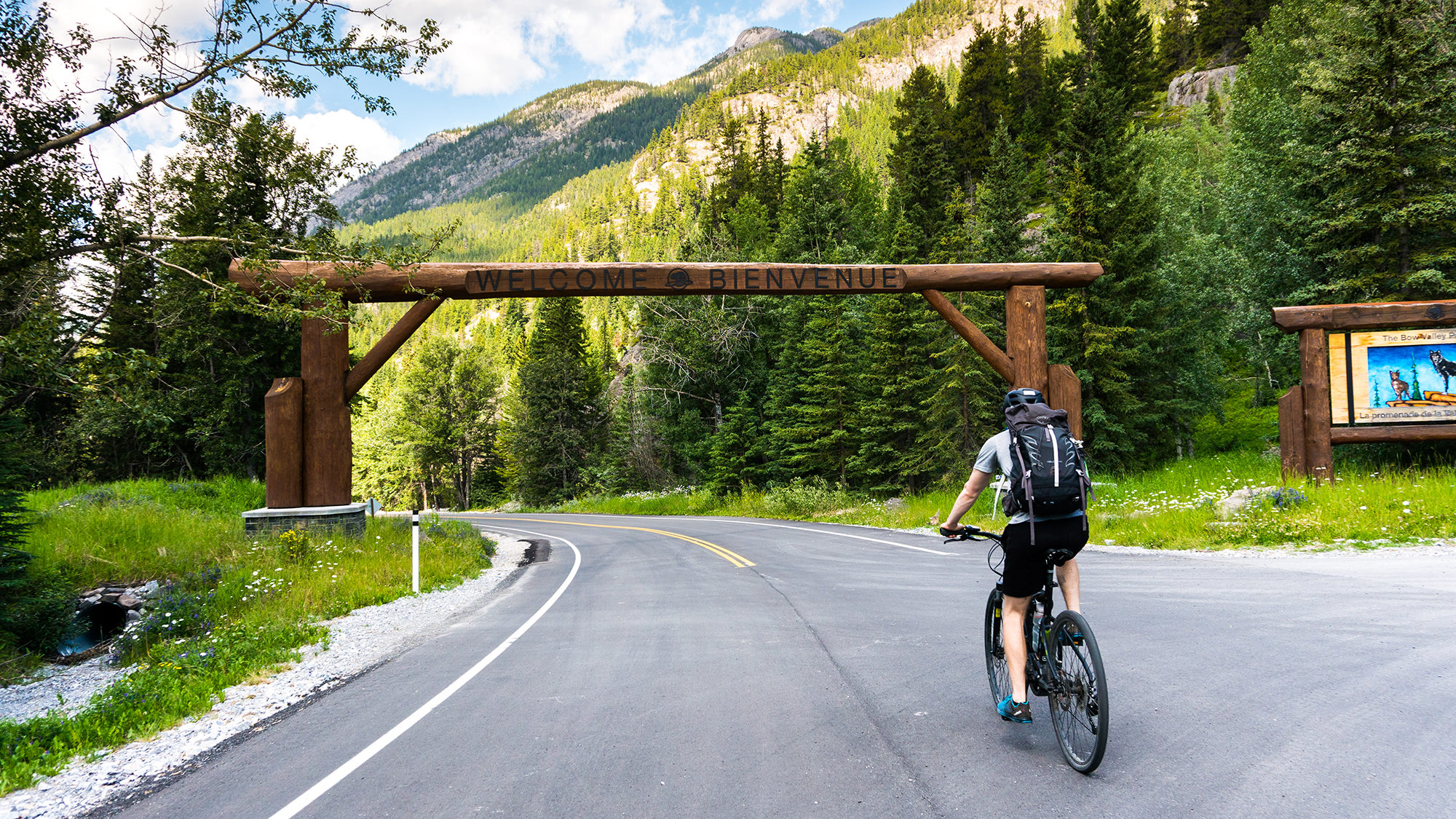
- The Bow Valley Parkway, especially near Johnston Canyon, where aspen stands line the road. The road closes to cars and to protect wildlife in the fall, so it can be biked or hiked without the stress of speeding vehicles!
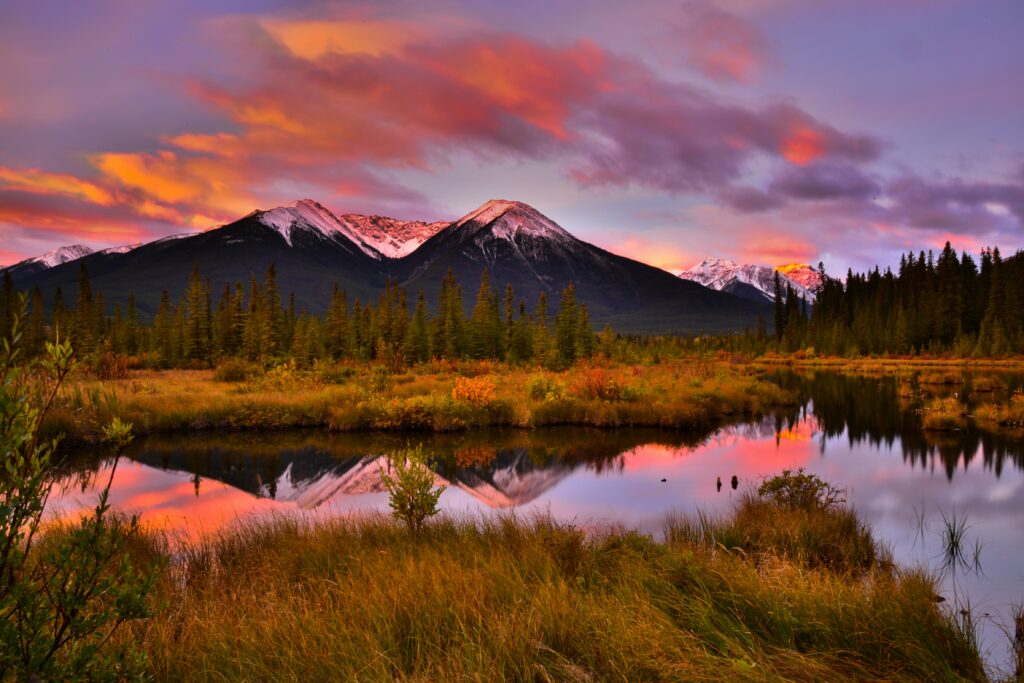
- Vermilion Lakes, just outside Banff townsite, for colour reflected on calm water in front of the stunning Rundle. Given its close proximity, Vermilion is a great spot for a morning coffee or hot chocolate!
- Two Jack Lake, a quieter alternative to the more famous lakes, especially good in early morning light.
Wildlife Watching
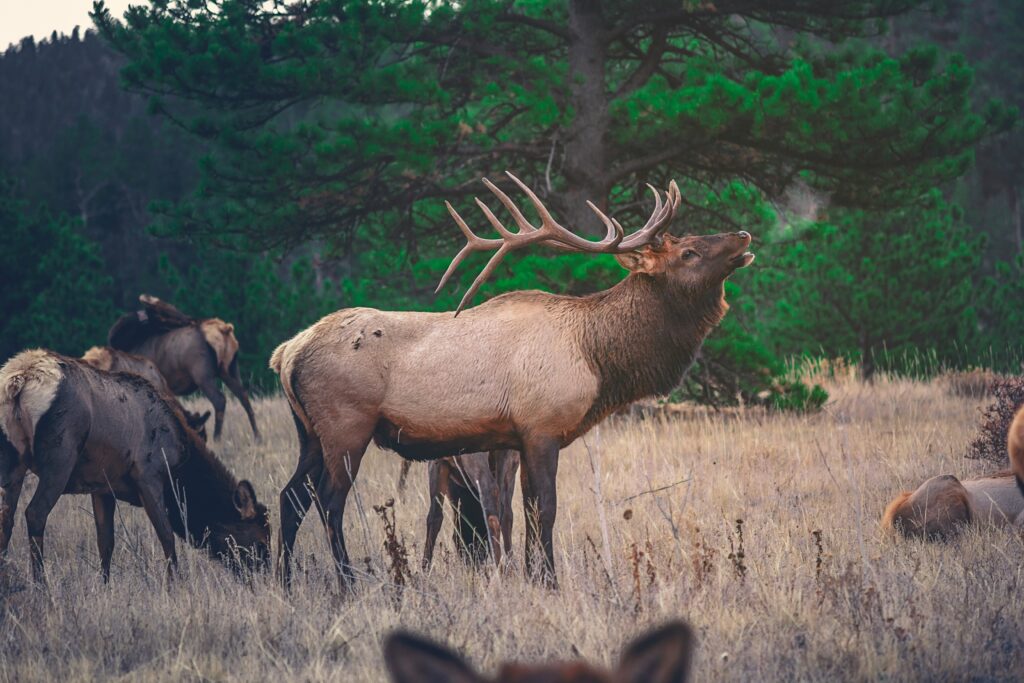
Fall is elk rutting season in Banff, meaning bull elk are more vocal and visible as they compete for mates, often right around Banff townsite and the Bow Valley. It’s a genuinely striking thing to witness, but keep a safe, respectful distance; elk can be unpredictable this time of year, and Parks Canada guidelines exist for good reason.
As bears start to bulk up for their winter hibernation, they can often become more visible as they access the vegetation lower in the valley. While spotting a bear is such a memorable experience, they can become defensive and aggressive in the fall as they spend up to 22 hours a day feeding. As always, bears are to be observed from the safety of a vehicle, or a minimum of 100m.
What to Pack
Fall weather in Banff swings fast. Mornings can start near freezing, afternoons can feel almost like summer, and an early snowfall isn’t unusual by October. Layers are non-negotiable: a warm base layer, a packable insulated layer, and a waterproof shell will cover almost anything the season throws at you. Sturdy hiking boots matter more in fall too, as trails can be muddy or lightly snow-dusted depending on elevation and timing.
Autumn in Banff is Worth it!
Fall in Banff rewards a bit of flexibility. Colours and larch timing shift from year to year, weather can change quickly, and the best days are often the ones you didn’t specifically plan around. But that unpredictability is part of the appeal and can be rewarding: fewer crowds, cooler light, and a park that feels, for a few weeks, like it’s easing into a slower rhythm before winter takes over.
Whether you’re chasing golden larches, watching elk in the valley, or just want a hike without a parking lot fight, fall might be the most underrated time to see Banff.