


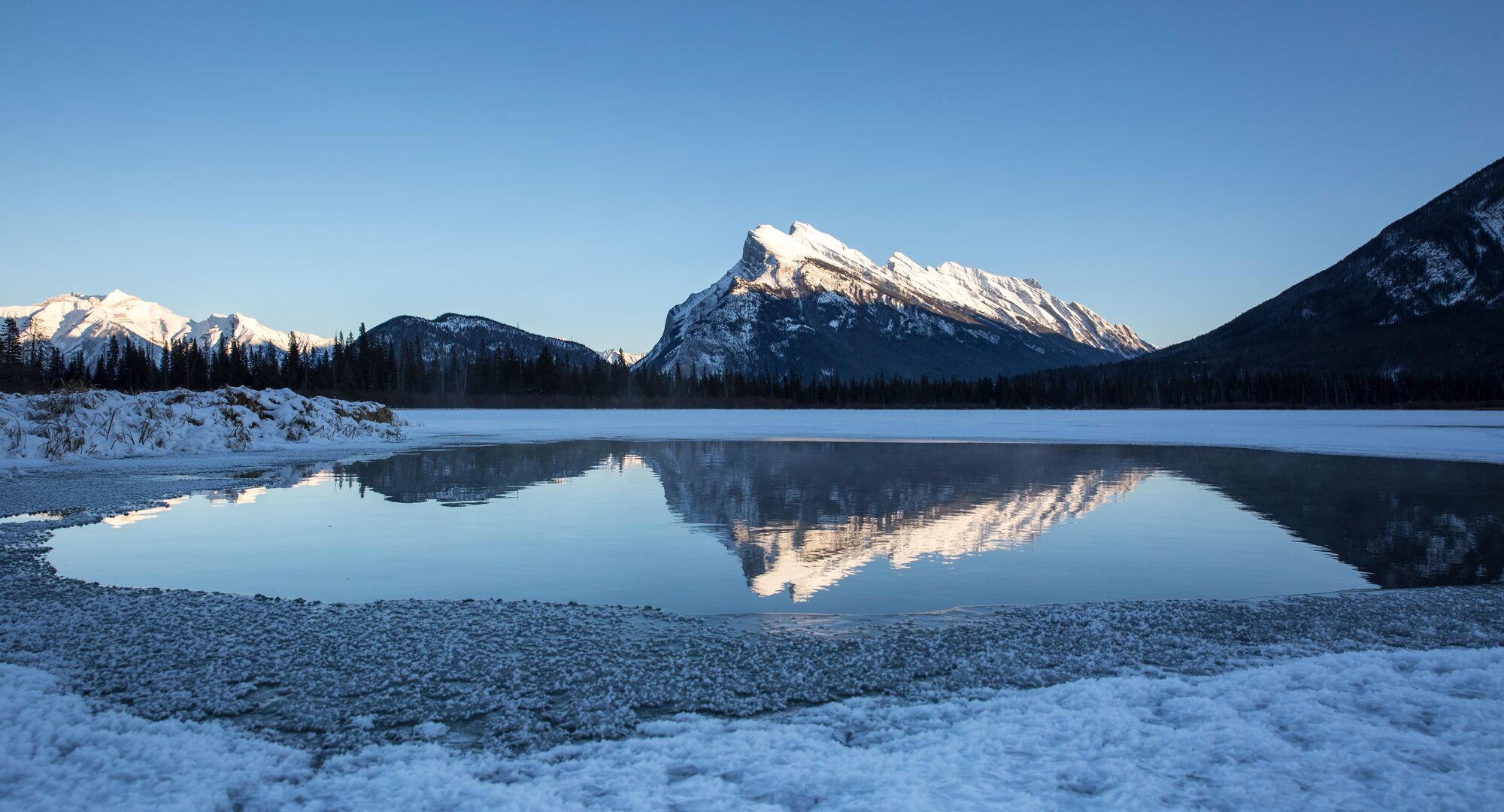
Winter in Banff National Park transforms the landscape into something truly unforgettable. Snow settles into mountain ridgelines, lakes freeze into glassy mirrors and soft morning light wraps the valley in quiet stillness. For photographers, winter offers clarity, contrast and moments that feel untouched by time.
Whether you are visiting with professional gear or capturing memories on your phone, these winter photography locations showcase Banff National Park at its most serene. From iconic viewpoints to peaceful lakeside scenes, here are some of the best places to photograph Banff in winter.
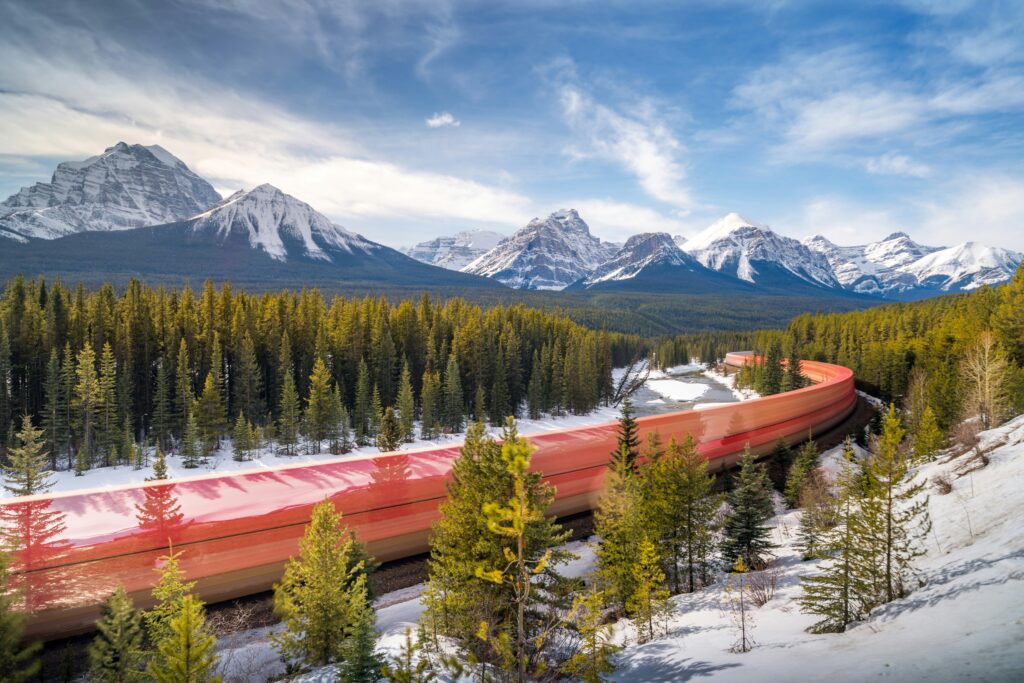
Morant’s Curve: A Classic Winter Railway View
Morant’s Curve is one of the most photographed locations in Banff National Park, and winter adds a dramatic sense of scale and calm. This iconic bend in the Canadian Pacific Railway frames Mount Temple, Mount Fay and the surrounding peaks, often dusted with fresh snow.
Early mornings are ideal, especially after snowfall, when the trees glisten and the light softens the scene. If you are lucky, a train may pass through the curve, creating a striking contrast between motion and the stillness of winter.
Tips & Tricks:
- Visit early in the morning for soft light and fewer visitors
- It’s beautiful year-round, however the colours of the train stand out better against the snow-covered trees
- Dress warmly, as the viewpoint can be windy
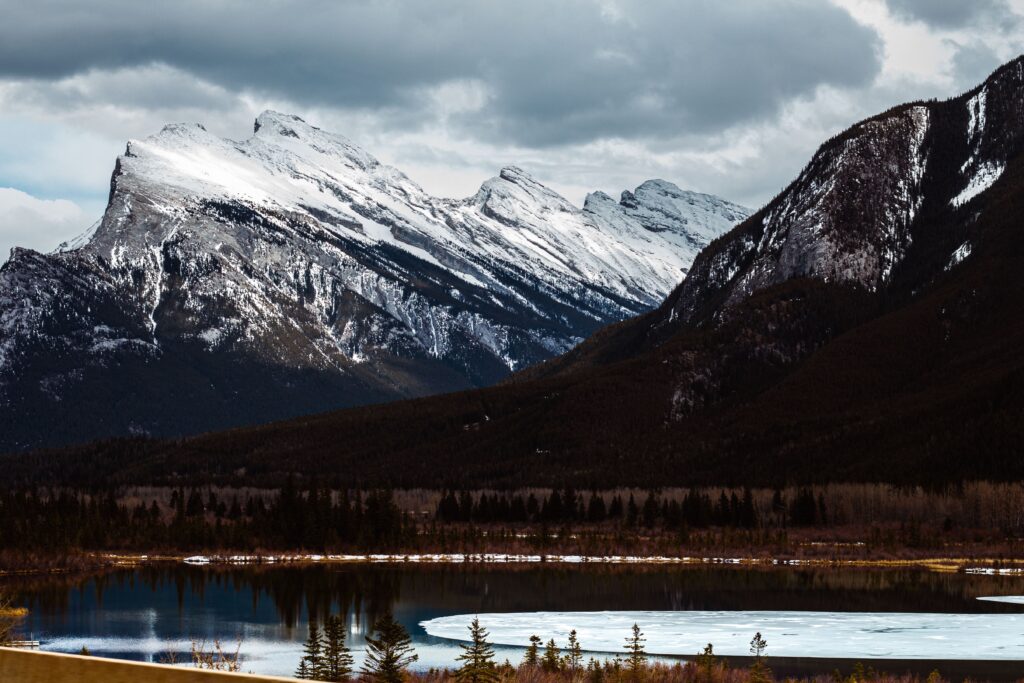
Vermilion Lakes: Reflections and Winter Stillness
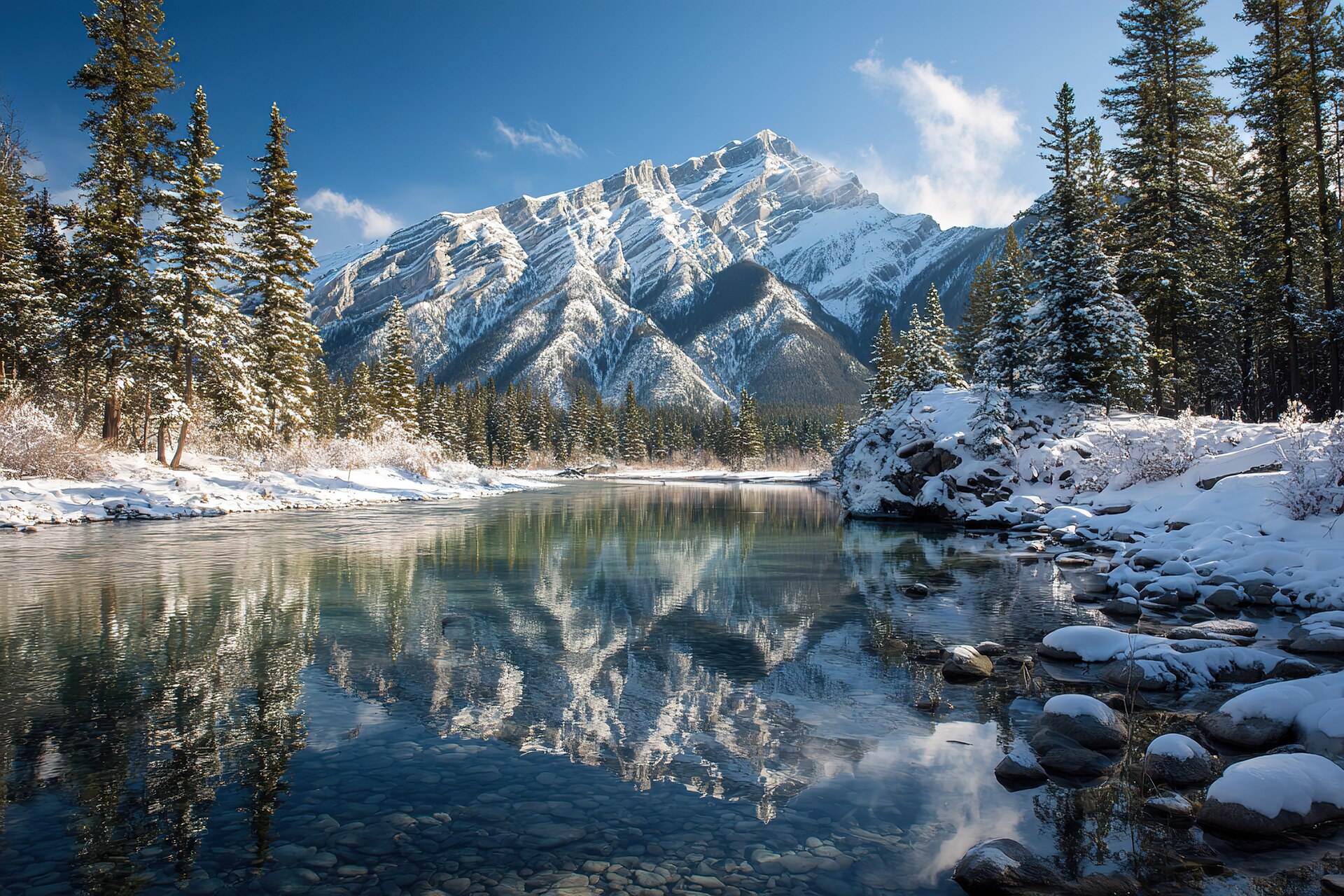
Just outside the town of Banff, Vermilion Lakes offer some of the most accessible and rewarding winter photography in the park. Snow covered wetlands, frozen ponds, and the towering Rundle Mountain create overwhelming landscapes.
On calm winter mornings, the surface of the lakes reflects Mount Rundle and the surrounding peaks in stunning symmetry. Fog, frost and pastel skies often appear just after sunrise, making this spot a favourite for winter landscape photographers.
Tips & Tricks:
- Sunrise offers the best light and reflections
- Use leading lines such as shoreline grasses or snow covered paths
- It can be very cold and windy – keep a spare battery or a portable charger as the cold is likely to drain
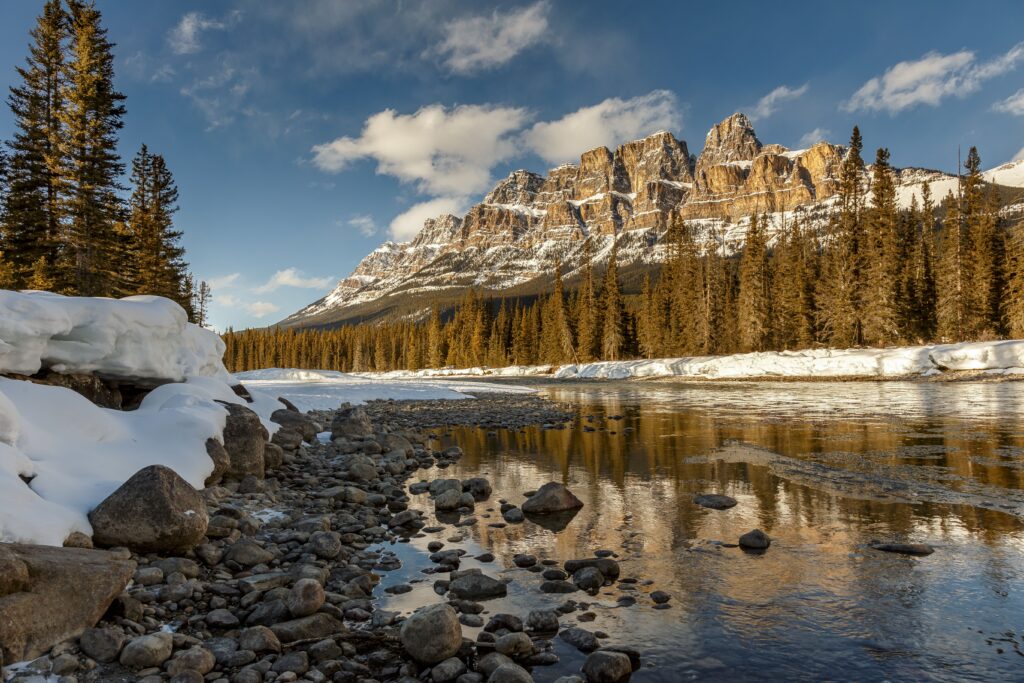
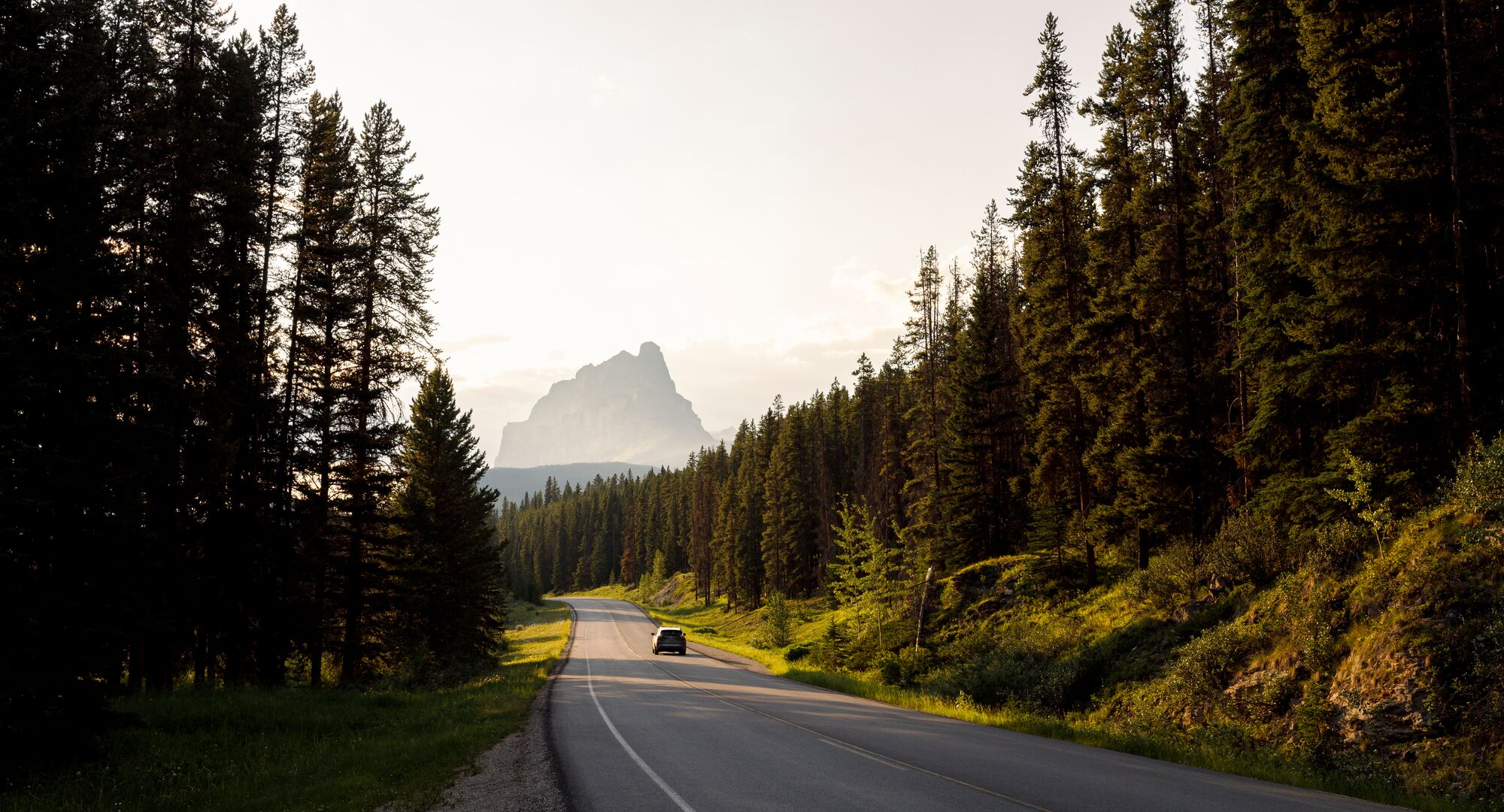
Castle Mountain is a towering peak with multi-layered cliffs just outside of Banff townsite. Aptly named for its majestic shape, Castle Mountain is an iconic part of the drive to Lake Louise.
The best part about Castle Mountain is that it is beautiful year-round, regardless of the season. This being said, the peak is exceptionally beautiful after a snowfall, where the dark rock and surrounding forest provides a beautiful contrast against the white snow. The mountain can be photographed from the Bow Valley Parkway, or in front of the river for a beautiful water shot. Whether it’s an overcast day or a bluebird one, Castle Mountain sparkles in any light.
Tips & Tricks:
- Plan to visit early in the morning or later in the afternoon to avoid crowds
- Wide angle lenses work well for capturing the full valley
- Paths can be icy during winter – stay on marked trails and arrive with appropriate winter gear
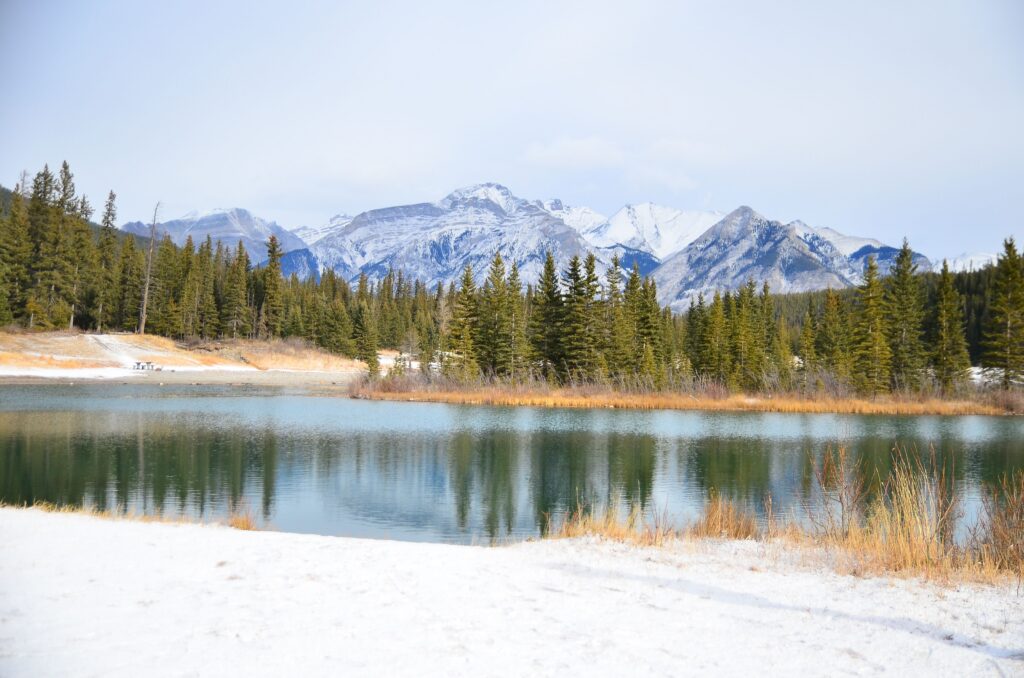
Cascade Ponds: Peaceful Winter Landscapes
Cascade Ponds are often overlooked in winter, making them a peaceful and rewarding photography spot. With Mount Cascade towering above frozen water and snow covered picnic areas, the ponds offer simple compositions that highlight the quiet beauty of winter.
This location is particularly photogenic after fresh snowfall, when the trees and surrounding mountains appear softened and still. It is an excellent spot for minimalist winter photography and wide open compositions.
Tips & Tricks:
- Visit after snowfall for clean, untouched scenes
- Look for natural frames created by trees and shoreline
- Golden hour adds warmth to the cool winter tones
Winter Photography Safety in Banff National Park
Winter photography in Banff National Park is incredibly rewarding, but safety should always come first. Conditions can change quickly, and icy surfaces are common.
Before heading out:
- Check weather and road conditions
- Wear insulated boots with good traction
- Carry extra layers and hand warmers
- Keep a safe distance from wildlife
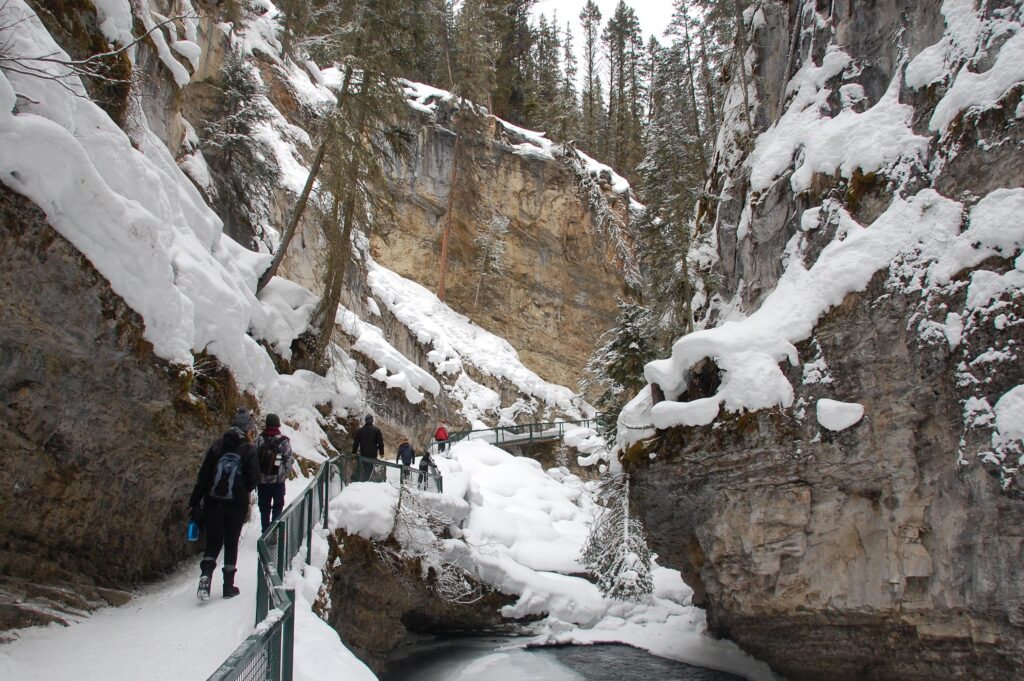
Pair Your Photography Day with a Johnston Canyon Visit
A winter photography outing pairs perfectly with a visit to Johnston Canyon. The frozen waterfalls and snow lined trail offer an entirely different photographic experience, showcasing the power and beauty of winter water in motion. Ice formations and canyon walls create striking textures and stunning details.
Capturing Winter Memories in Banff
Winter in Banff National Park is quieter, calmer and deeply inspiring. Each location offers a different perspective on the season, from iconic railway curves to peaceful frozen ponds.
Photography in winter is about patience, light and presence. Take your time, observe the landscape and allow the stillness of winter to guide your lens.
Plan Your Winter Photography Experience
Banff National Park offers endless opportunities to capture winter beauty, and these locations provide a perfect starting point. Whether you are chasing sunrise reflections or snow dusted mountain views, winter rewards those who slow down and explore with intention.
Discover more winter experiences, scenic walks and natural wonders by exploring Johnston Canyon and the surrounding Bow Valley this season.